
Waipa history begins with its people and places
Waipa history reaches back through the long settlement of communities connected with the Tainui waka. The district council's account also describes invasion, Crown land confiscations and the later development of garrison towns. Those events belong together when considering the history of the district in Waikato on New Zealand's North Island.
Places around Lake Ngaroto, Te Awamutu and Cambridge offer different ways to approach this history. A museum can give context to objects and changing exhibitions; a self-guided town walk can help you connect local stories with places. Allow time for both, rather than treating a single stop as the whole story of Waipa.
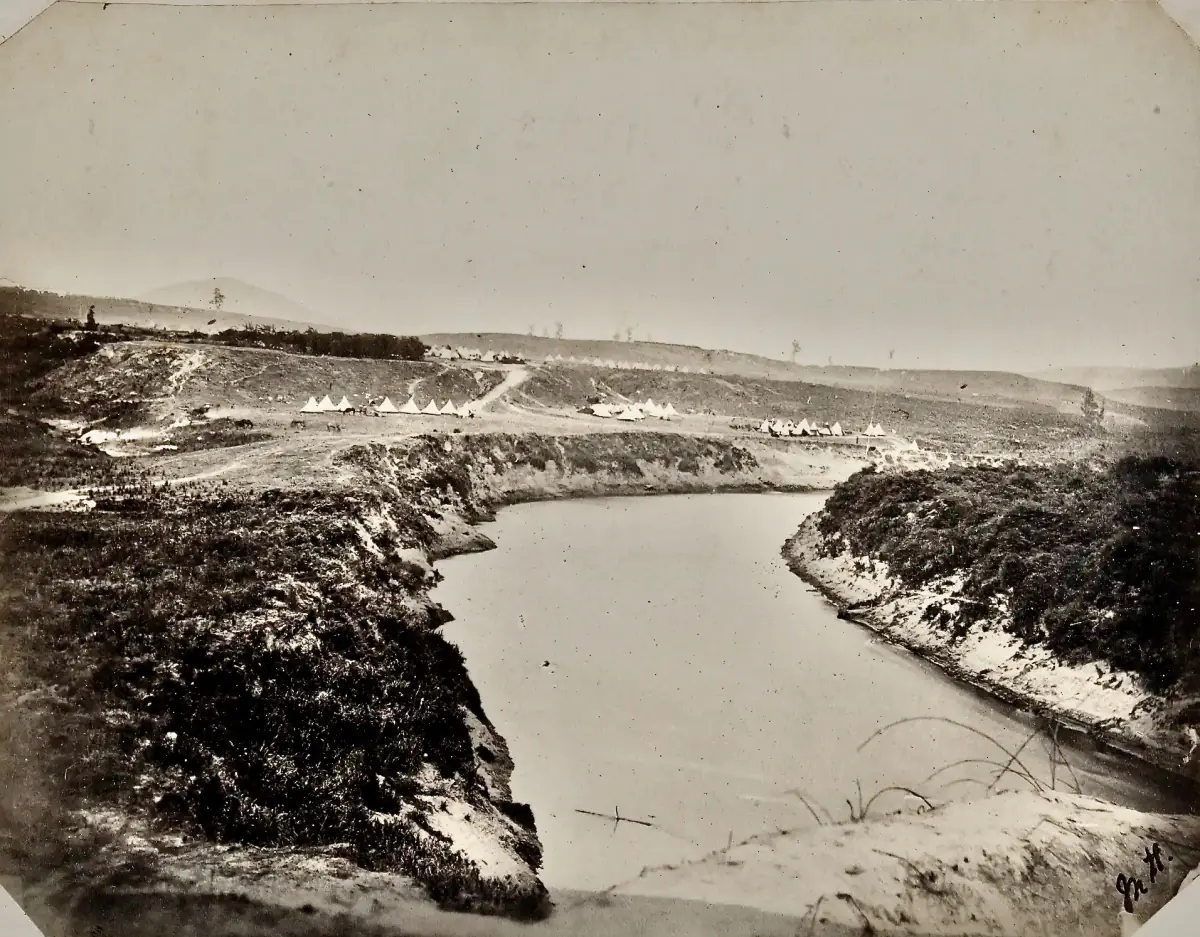
Tainui connections and the changing district
The council describes a long Māori history in Waipa linked to communities of the Tainui waka. Its account includes invasion and confiscation of land by the Crown. Later garrison towns form part of that history, but they are not its beginning. The landscape and its place names provide a starting point for learning about the people who lived here and the changes that followed.
When you explore, distinguish a place's historical significance from the arrangements for visiting it today. Museums and their exhibitions provide a setting for learning, while a self-guided walk lets you follow a route independently. Check the current visitor information for the place you plan to enter.
Explore the wider Waipa region
Use the district as a starting point for discovering its towns, river and neighbouring destinations.
Te Awamutu and its museum
The council explains the name Te Awamutu as the end of the navigable stretch where canoes could no longer be taken upstream. That explanation connects the town's name to the waterways that have shaped movement through the district. It is a useful point of orientation before exploring the town itself.
Te Awamutu Museum presents the history, society and culture of the district, with changing exhibitions. Look up its current visitor arrangements when planning a visit and allow time for what is on display. A museum visit can be combined with a walk in Memorial Park or the Rose Gardens, two public parks identified by the council.
For a broader selection of town and outdoor stops, see things to do in Waipa. The museum and parks provide a town-based itinerary; they are distinct from a forest or lake visit and need no assumption about a guided historical tour.
Lake Ngaroto and Uenuku
The district council records former pā around Lake Ngaroto and the significance of Uenuku, found at the lake. It identifies Te Awamutu Museum as the institution responsible for the taonga. This connection gives the lake and museum a shared context, while the story of each deserves attention on its own terms.
Exhibitions change, so consult the museum's visitor information for what you can see during your visit. The link between an object and a place does not require a rushed itinerary: you can learn about the lake's past and then spend time with the wider district stories presented in the museum.
Cambridge Museum and a self-guided walk
Cambridge Museum, at 24 Victoria Street, offers free admission and a free walking brochure. It also points visitors to heritage walks. These resources let you explore independently, stopping where you choose and reading about the town as you go. They are not a promise of a scheduled daily walking tour.
A visit to Cambridge can pair the museum with Lake Te Koo Utu, whose town-centre circuit is about one kilometre. The museum and lake tell different stories: one helps interpret local history, the other offers a short outdoor walk. Check the museum's opening arrangements for your date, particularly on a public observance.
Waipa's communities and historical sites are spread across the district. Plan transport between Cambridge and Te Awamutu rather than assuming that all stops are walkable from a single centre. The travel guide covers connections via Hamilton, and the accommodation guide compares locations for a base.
Questions about Waipa history
How is Waipa connected to Tainui?
The council describes long settlement by communities connected with the Tainui waka as part of the district's Māori history.
What does Te Awamutu mean?
The council explains the name as the end of the navigable stretch where canoes could not be taken further upstream.
Where can I learn about local history?
Te Awamutu Museum covers the district's history and culture. Cambridge Museum offers local displays and a free heritage walking brochure.
Is the Cambridge heritage walk guided?
The museum's brochure is for an independent walk. Choose your own stops and pace using the available material.